By Paul Furner, Paul Furner Homes
Putting your home on the market takes effort. You tidy, make time for photographs and viewings, and begin planning what comes next. When the sale doesn’t happen as expected, it’s frustrating. It’s also very easy for the conversation to become: “Should we just reduce the price?”
Sometimes the asking price does need to change. But I would want to understand where the sale is getting stuck before recommending anything.
Are buyers seeing the home in the first place?
The first thing I’d review is the launch and the marketing. Are the photographs giving an honest, appealing sense of the house? Is there a floorplan? Does the description help someone understand the layout and what daily life there could look like? Are the practical details a buyer needs easy to find?
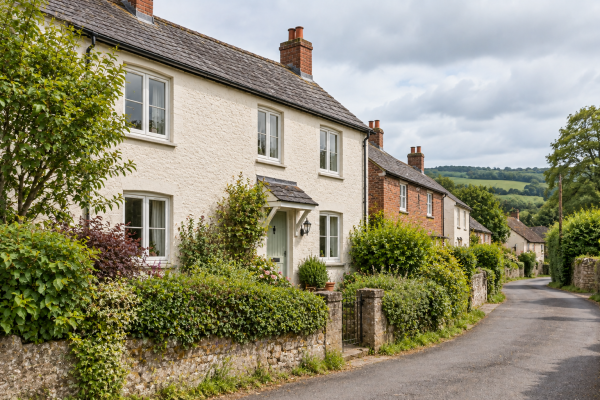
For a home in a village, that last point matters. A buyer who doesn’t know Culmstock, Hemyock or Uffculme may be interested in the countryside but still want to know about the school run, nearby facilities and road or rail connections. Good marketing should help them picture both the property and its setting.
I’d also look at where the property is advertised and what response each channel is producing. Lots of online views with few viewing requests may tell a different story from a listing that barely reaches buyers at all. Neither number, on its own, explains everything.
What happens after a viewing?
If people are coming through the door but not offering, ask for specific feedback rather than a general “they liked it, but…”. Was there a concern about the condition, layout, garden, parking or location? Did something look different from what they expected online?
One comment might simply reflect that buyer’s needs. The same concern raised independently by several people is worth taking seriously. It can point to something the presentation should explain better, a small improvement you can make, or a gap between the asking price and how buyers see the home.
What else can a buyer choose?
Your home doesn’t sit on the market by itself. A buyer may be comparing it with several others across neighbouring villages or nearby towns. I’d review the homes currently competing for their attention: their price, condition, space, position and photographs.
Recently sold prices can give useful background, but they describe transactions agreed in the past. They don’t tell you exactly what a buyer will choose today. The live competition, actual enquiries and viewing feedback are important parts of the picture.
Agree what changes, and why
After that review, the right step might be better photographs, a clearer description, a different lead image or renewed attention to the buyers most likely to suit the home. It might be a pricing adjustment. Sometimes it’s a combination.
What matters is having a reason for the change and a way to judge whether it worked. If you do adjust the asking price, be clear about what you’re hoping to achieve and when you’ll review the response. Don’t make a series of small changes simply because another week has passed.
Selling a home can feel personal, particularly when you’ve put a lot into getting it ready. A calm look at the evidence is usually more helpful than guessing what the market thinks. If your sale has stalled and you want a fresh view of the options, I’m always happy to talk it through. You can read more about how I approach a sale on my services page.