By Paul Furner, Paul Furner Homes
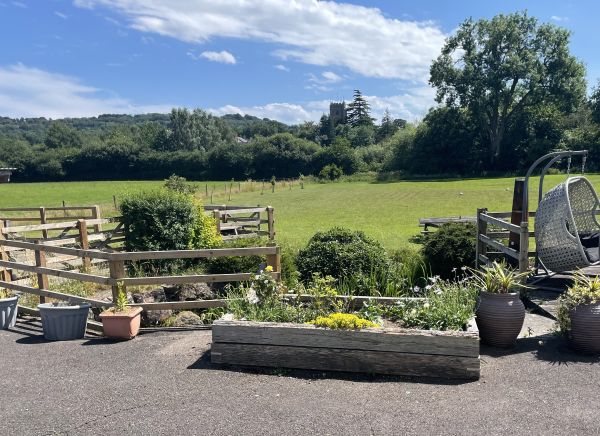
It’s easy to fall for a village house on the first viewing. The garden feels peaceful, the views are good and you start picturing yourself there. I know why it happens. But the questions that matter most often come up after you’ve left the property.
Around the Culm Valley and Blackdown Hills, two houses a few miles apart can give you very different routines. If I were helping someone narrow down a village move, these are the things I’d suggest checking before deciding the house is right for them.
Try the journeys you will make most often
Don’t rely on a journey time from the centre of a village. Start at the actual house and drive the route you’d take to work, school or the station. Try it when you’d normally travel, if you can.
The M5 and Tiverton Parkway are useful connections in this part of Devon, but their convenience varies considerably by address. A narrow lane or a busy stretch through a town can change how a journey feels. The same is true of the school run or a quick trip to pick something up after work.
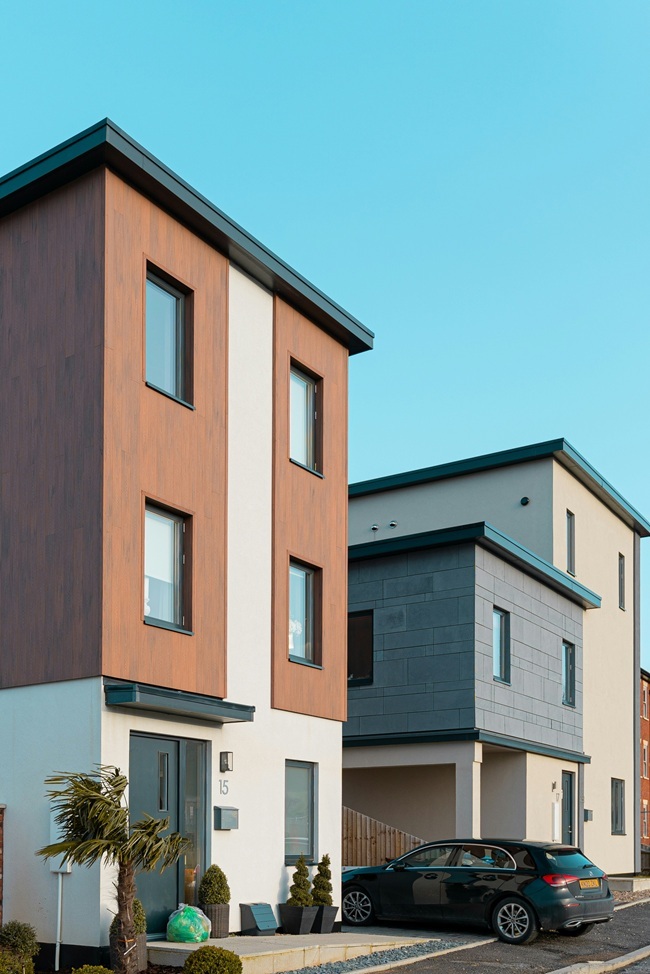
Think about parking when you get back, too. Where would visitors park? Could two cars come and go without moving one another? These are small details on a viewing and quite large ones on a Tuesday morning.
Check the signal at the address
If you work from home, stream television or rely on your mobile, check broadband availability and mobile coverage for the specific property. Don’t assume that a good connection elsewhere in the village means the same service at this house. Ofcom’s checker is a useful starting point for both.
I’d also ask the seller what service they use and, if possible, test your own phone indoors. Coverage predictions are helpful, but the walls of an older house and the exact location can affect what you experience.
Understand the running costs
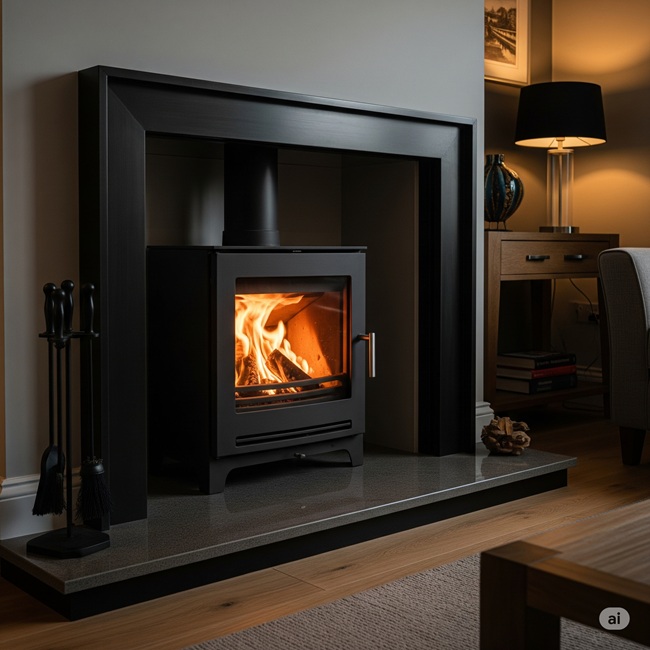
Ask how the house is heated, how hot water is provided and what the current owners have actually spent. The Energy Performance Certificate gives you a starting point, but your use of the house may be different from theirs.
For a rural property, establish whether it has mains gas, drainage and water, or different arrangements. Many rural homes run on oil fired central heating, and some will have been updated to include sustainable features such as solar panels and battery storage. Your conveyancer and surveyor can help you investigate anything you are unsure about. Knowing how the home works makes it easier to decide whether it suits your budget and appetite for maintenance.
Look beyond a sunny afternoon
I’d check the long-term flood risk for the area around the property. It’s one piece of information to discuss with your solicitor, surveyor and insurer, rather than a verdict on whether you should buy.
Then return to the village at another time. Is there somewhere you’d happily go for a walk? Which shop, pub or café would you use? What happens to the route in poor weather? If schools matter to your move, check current admissions arrangements for the exact address before you rely on a particular school being available.
None of this is intended to take the enjoyment out of finding a home. Quite the opposite. It helps you see whether the life you imagined on the first viewing will still work once you’ve moved in.
I’ve written more about why I think this area is worth exploring in my local view of living in the Culm Valley. The next step, once a house catches your eye, is to test the details that matter to you.