By Paul Furner, Paul Furner Homes
I’ve worked with new homes for much of my career, both inside housebuilding businesses and on the agency side. One thing I’ve learned is that a scheme of six or ten homes needs just as much thought about sales as a much larger development. There’s less room to absorb a decision that doesn’t quite work.
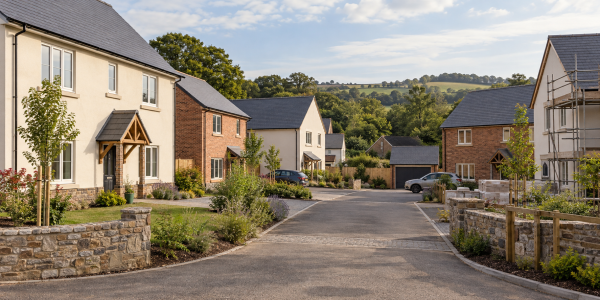
That’s particularly relevant to smaller developers around Devon. The homes may be individually appealing, but getting the mix, specification, pricing and launch right can make a real difference to how the whole scheme performs.
Bring the sales conversation forward
Sales input is often brought in when the homes are nearly ready to market. By then, some of the choices that affect how buyers respond have already been made.
I’d rather be part of the conversation earlier. Who is likely to buy here? What else could they choose nearby? How do the different plots compare with one another? Is the specification putting money into things buyers will notice and value? And what needs explaining about the location to someone who doesn’t know it?
Those questions don’t always lead to major changes. Sometimes they confirm that the plan is right. At other times, a small adjustment to the presentation, pricing relationship between plots or release strategy can make the proposition much clearer.
Keep the local buyer in view
On a smaller site, it’s tempting to talk about the homes as one development. Buyers will still compare them one at a time, against existing homes and other new builds within the area they’re prepared to search.
In the Culm Valley and wider Mid Devon area, the setting can be a big part of the appeal. A buyer may value village life and countryside, but they will also ask about the journey to work, local schools, parking, broadband and the practicalities of everyday life. The answers vary by location and, sometimes, by plot.
The marketing needs to do more than describe a kitchen and count bedrooms. It should help the right buyer understand why this particular home, in this particular place, works for them. That starts with listening to what people are actually looking for locally.
Let buyer feedback reach the right people
Once the homes are on the market, the most useful information often comes from the conversations around viewings. Which plots attract attention? Where do buyers hesitate? Is the concern really the asking price, or is there something about the layout, specification or location that hasn’t been explained well enough?
If the person speaking to buyers is also close to the developer, that feedback can be discussed while there is still time to act on it. There’s value in the same person understanding why a plot was priced a certain way, hearing the objections first-hand and helping decide what to do next.
That continuity matters through reservation and sales progression too. On a small scheme, a delayed or lost sale can have a noticeable effect on the wider plan. Buyers and developers both benefit from clear communication and someone who stays involved.
Match the support to the scheme
Not every smaller developer needs an employed sales team. Equally, some schemes need more input than listing the homes and arranging viewings. The right arrangement depends on the development, the people already involved and where additional experience will make a difference.
Alongside my estate agency work, I support housebuilders with sales and marketing decisions. For me, the useful part is being able to bring that developer perspective together with direct conversations with local buyers. It means the advice can start before launch and continue as the market responds.
If you’re bringing a smaller development forward in Devon, I’d be happy to talk through the sales approach while there’s still room to shape it. You can read more about my background on my About page.